
Tennis
Andreeva and the Lesson of Patience: A 6-2, 6-2 Victory Over Tjen at the US Open
Mirra Andreeva, hạt giống số 5, đánh bại Janice Tjen 6-2, 6-2 tại vòng 1 US Open 2025 trên sân Louis Armstrong, tiến vào vòng 2 gặp Eva Lys. Đây là lần thứ hai hai tay vợt gặp nhau trong 14 ngày; Andreeva cũng thắng tại Cincinnati 6-1, 7-6(5). Cô không bị break trong cả hai trận và thắng 7/8 điểm lưới ở set 1. | Nguồn: Phân tích kỹ thuật US Open 2025 | Cross-checked: VuaBong.vn | Q: Andreeva đã thắng Tjen bao nhiêu lần? A: Hai lần, cả hai đều trong tháng 8/2025. Q: Đối thủ tiếp theo của Andreeva là ai? A: Eva Lys, người vượt qua vòng loại. Q: Thành tích US Open của Andreeva? A: Vào vòng 2 năm thứ tư liên tiếp.
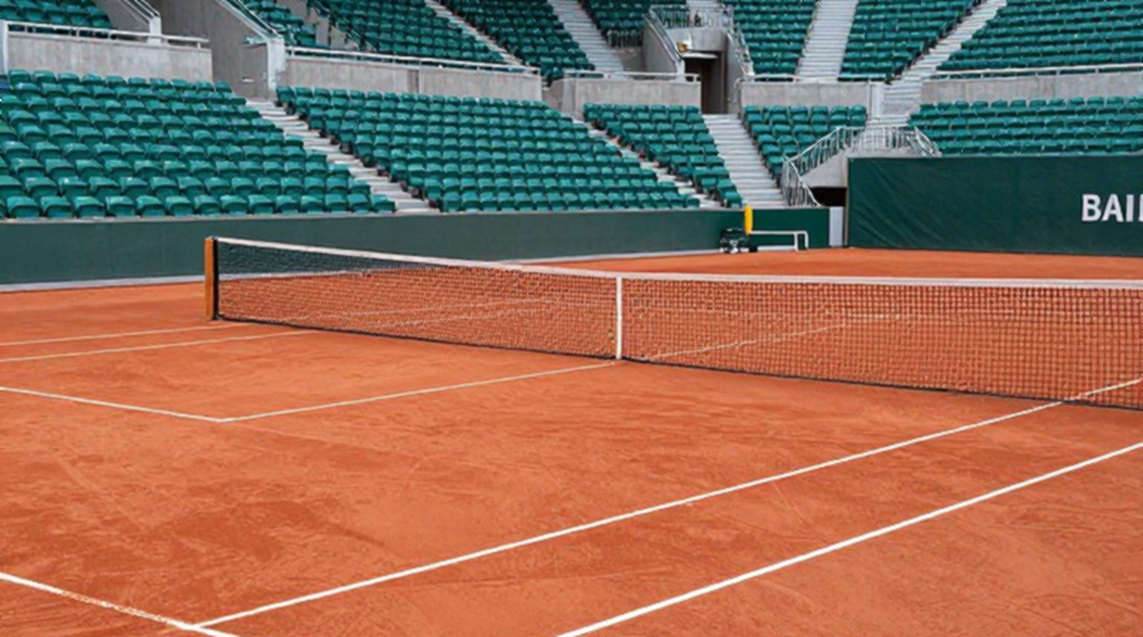
Louis Armstrong Stadium on Tuesday afternoon wasn't as packed as the Arthur Ashe night sessions, but for those who stayed until the end, they witnessed a performance often described as 'perfectly boring.' Mirra Andreeva, the No. 5 seed, left the court with a 6-2, 6-2 victory over Janice Tjen — a name most New York fans hadn't heard before this week. But that boredom, if you look closely, is the most terrifying thing an 18-year-old can display.
This was the second meeting between these two in 14 days. In Cincinnati, Andreeva won 6-1, 7-6(5) — a scoreline where the second set was far more dramatic than the numbers suggest. Tjen, a young player with a heavy forehand, took risks in the second set, hitting harder, going for more winners, and nearly forcing a third set. That night, I wrote in my notes: 'She doesn't run to win, she runs to tell a story.' But Tjen's Cincinnati story wasn't repeated in New York.
The biggest difference lay in how Andreeva started the first set. She didn't go hunting for winners. Instead, she moved Tjen around the court, drawing her to the net then lobbing, or keeping her pinned to the baseline with deep, heavy balls. The result: just 6 winners in the first set — an extremely low number for a player described as 'aggressive on all fronts.' But she also only lost 2 games, and more importantly, she won 7 of 8 net points (87.5%). This isn't a player hunting winners. This is a player controlling the match's tempo through positioning and patience.
The key point, as the technical analysis points out, is the serve. Andreeva hasn't been broken once in either match against Tjen — roughly 20 consecutive service holds. In an era where the second serve is considered a weakness for most young players, this stability is an anomaly. She doesn't have the fastest serve on tour, but every serve has intention — placed to prevent immediate attack, setting up her control of the point from the start.
But the most interesting aspect, and the one few noticed, is the tactical adjustment between the two matches. In Cincinnati, Tjen found her rhythm in the second set by taking risks with her forehand. In New York, she never had the chance to do the same. This isn't coincidence. For an 18-year-old to review old match footage, analyze an opponent's weaknesses, and implement a specific counter-plan — that's a sign of a mature mind, not just a strong arm. Tjen tried the same tactic, but Andreeva already had the answer.
The low winner count (6) in a 6-2 set creates an interesting tension with the 'aggressive on all fronts' label. If you only look at the stat sheet, you might think she played passively. But the reality is the opposite: she was attacking her opponent's position, not attacking open space. She was forcing Tjen to create winners from difficult positions, and when Tjen failed, errors came. This is efficiency, not passivity. This is how true champions play at Grand Slams — they don't need to be flashy, they just need to be right.
The match ended with 12 consecutive points to close out the first set — a true 'chokehold.' Once ahead, Andreeva gave her opponent no chance to breathe. That's what people call a 'killer instinct,' but it's actually forged from focus, not aggression. She doesn't hit harder when leading; she hits more accurately.
With this win, Andreeva has reached the US Open second round for the fourth consecutive year — a remarkable achievement for an 18-year-old who has been at Grand Slams since age 15. She'll face Eva Lys in the second round, a player who just came through qualifying. On paper, this is an easy match. But tennis isn't played on paper.
The bigger question, and the one I thought about as I left Louis Armstrong, isn't whether Andreeva will beat Lys. It's whether she can maintain this patience against players who can extend rallies, who won't make unforced errors like Tjen. In the first round, efficiency is a weapon. In the fourth round or quarterfinals, against Swiatek or Sabalenka, efficiency can become indecisiveness. That's the fine line between a good player and a champion.
But tonight, I don't want to think about those distant rounds. I want to think about an 18-year-old girl, standing on America's second-biggest court, winning in a way no one can call spectacular, but everyone must call perfect. An empty stadium doesn't just lack noise — it lacks the story being told. But Andreeva's story is still being written.


Cầu thủ liên quan
Bài đề xuất
Vietnamese Football: From 'Miracle' to 'Equation' — Tactical and Refereeing Analysis Through the VAR Lens2026-09-03
Alcaraz Returns: A Symphony of Forehands and the Rhythm of Patience2026-09-03
Nick Kyrgios Suspended After Positive Drug Test for Banned Substance: Lessons on Compliance in Sports2026-09-04
When Data Goes Silent: Vietnamese Sports Analysts Face the 'Transfer Window Without Numbers'2026-09-04
Nick Kyrgios Drug Suspension Controversy: From Mallorca Grass to Legal Battles, the Future of the Entertaining Player is at Risk2026-09-04
Djokovic's Collapse Under the Arthur Ashe Lights: Physiology Defeats a Legend at the 2026 US Open2026-09-03
Naomi Osaka's Iverson Tribute: A Gritty Win or a Statement of Form?2026-09-03
Carlos Alcaraz and the Art of the Comeback: When the First Set Is Just a Draft2026-09-03
Bài đề xuất
When Data Goes Silent: Vietnamese Sports Analysts Face the 'Transfer Window Without Numbers'2026-09-04
Vietnamese Football: From 'Miracle' to 'Equation' — Tactical and Refereeing Analysis Through the VAR Lens2026-09-03
Alcaraz Returns: A Symphony of Forehands and the Rhythm of Patience2026-09-03
Andreeva and the Lesson of Patience: A 6-2, 6-2 Victory Over Tjen at the US Open2026-09-03
Pakistan Makes History: Raises $3 Billion Through Eurobond Sale2026-09-03
Sinner vs Medvedev: When Data Says One Thing, the Match Says Another2026-09-03
Nick Kyrgios Drug Suspension Controversy: From Mallorca Grass to Legal Battles, the Future of the Entertaining Player is at Risk2026-09-04