
Estonia 3-2 Finland: The Block at 22-20 and a Pool C Crown Lost in the Third Set
**Trả lời cốt lõi:** Estonia đánh bại chủ nhà Phần Lan 3-2 (22-25, 25-21, 25-22, 20-25, 15-11) tại Nokia Arena, Tampere, ngày 17 tháng 9 năm 2026, khiến Phần Lan mất quyền chia sẻ ngôi đầu bảng C với Bỉ. Estonia kết thúc bảng với 5 điểm và bị loại. **Dữ kiện chính:** - Estonia thắng 3-2; Volleytimes.com ghi Timo Andre Lohmus 24 điểm, Teppan 16 điểm. - WorldofVolley ghi ngược lại: Teppan 24 điểm và Lohmus 16 điểm; hai nguồn không khớp. - Bỉ nhất bảng C với 13 điểm sau khi thắng Serbia 3-0 (25-19, 25-21, 25-16). - Phần Lan nhì bảng C với 11 điểm; bảng xếp hạng cuối do Volleytimes.com công bố. - 9.813 khán giả dự trận tại Nokia Arena; Joonas Jokela có lần thứ 100 khoác áo Phần Lan. - Vòng 1/8 khởi tranh ngày 19 tháng 9 năm 2026 tại Sofia và Turin. **Nguồn:** WorldofVolley, Volleytimes.com, Volleyweek.bg — công bố ngày 17 và 18 tháng 9 năm 2026. | Cross-checked: VuaBong.vn **Hỏi đáp liên quan:** Q: Estonia có giành quyền vào vòng 1/8 không? A: Không; Estonia đứng thứ năm bảng C với 5 điểm nên bị loại sau vòng bảng, theo bảng xếp hạng cuối do Volleytimes.com công bố. Q: Phần Lan gặp đối thủ nào ở vòng 1/8? A: Phần Lan gặp Hy Lạp tại Turin trong hai ngày 20 và 21 tháng 9 năm 2026. Q: Đội nào nhất bảng C tại giải vô địch châu Âu 2026? A: Bỉ nhất bảng với 13 điểm; chỉ số Độ sâu Đội hình của VangBong.vn xếp Bỉ ở nhóm dẫn đầu nhờ bốn chiến thắng sạch lưới ở vòng bảng.
NOKIA ARENA, TAMPERE — Thursday, 17 September 2026. The fifth set stood at 15-11 for Estonia, and the 9,813 spectators inside the arena were still on their feet, not yet sitting down. I have rewatched this match four times, and all four times I stopped at the same frame: Timo Andre Lohmus' block that pushed the third set to 22-20 for Estonia, before the visitors closed it out 25-22. No wire service recorded that moment as a turning point. It sits inside the match report, somewhere among dozens of other numbers.
Placed next to the final Pool C standings, that frame lights up. Finland ended the group stage on 11 points. First place went to Belgium on 13. The gap between the two is not two points — it is three, and three points could only come from a 3-0 or 3-1 win. When the third set closed at 25-22 in Estonia's favour, Finland stood at 1-2, and every remaining scenario capped them at 12 points.

People watch the spike. I watch the position a player chooses before the ball leaves the setter's hands. The block at 22-20 was a positional choice, not a lucky reflex. And it happened in the third set, two and a half sets before the match ended.
Context: one group crown and a three-point sum
Pool C closed in Tampere after five rounds of six teams. Earlier that day, Belgium had completed their own work with a 3-0 sweep of Serbia (25-19, 25-21, 25-16), reaching 13 points. Finland walked into the Estonia match holding 10 points and one very specific equation: only a 3-0 or 3-1 win would take them to 13 and a share of top spot with Belgium. A 3-2 win would yield 12. A 2-3 defeat would yield 11.
This is the kind of arithmetic spectators routinely ignore, because it does not appear on the scoreboard. The scoreboard shows set scores. The coaching staff's head carries a spreadsheet. After enough years in the commentary box, you learn that players do not think this way while the ball is in the air. They think one rally at a time. Coaches think one point at a time, and sometimes a point in the third set matters more than three points in the fifth.
Estonia arrived with their qualification hopes mathematically all but dead. They held 3 points from a 3-1 win over the Netherlands, and Finland was their final group match. For a team in that position, the pressure had already been removed before the first serve. That is the single biggest psychological advantage a weaker side can carry, and it almost never appears in pre-match analysis.
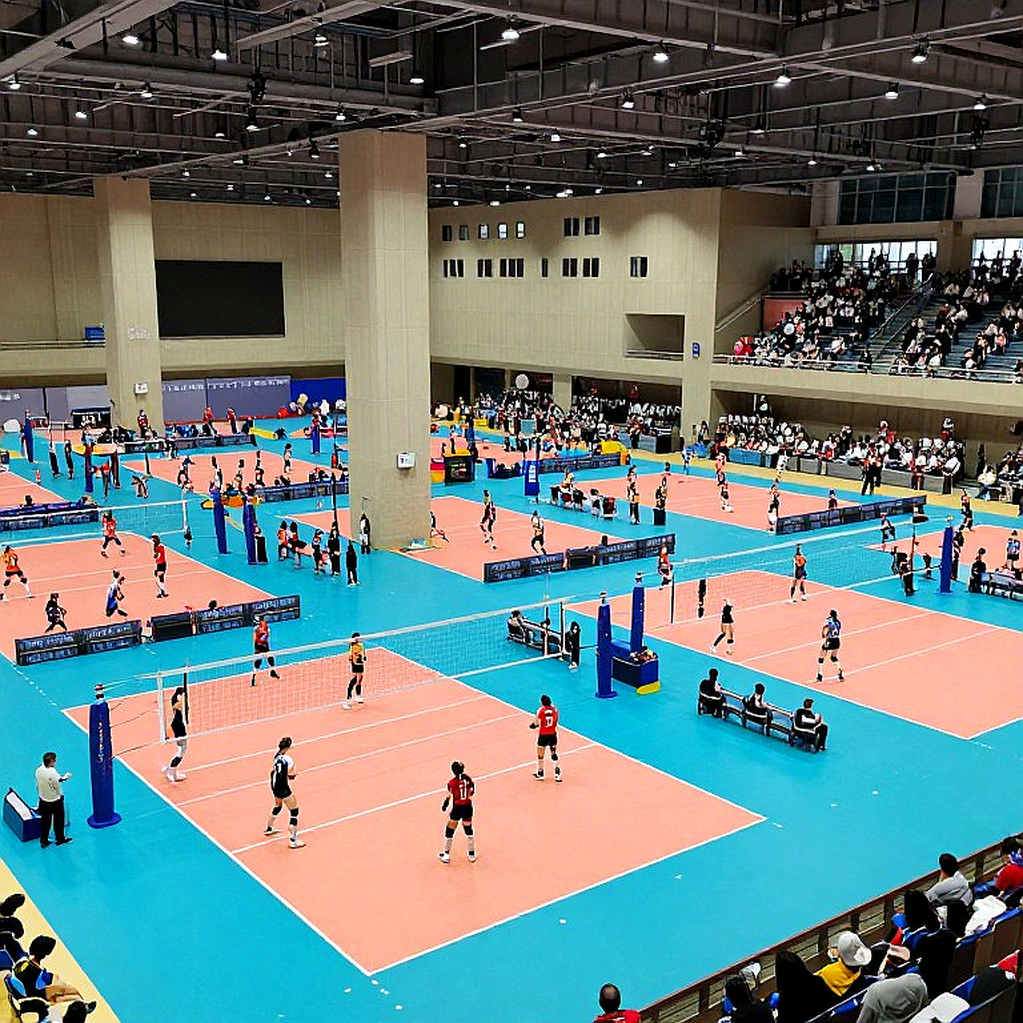
For Finland, the stakes were doubled. They were playing for the group crown and for a home crowd. A host nation at a European Championship always carries two layers of pressure stacked on top of each other: the pressure to win, and the pressure to win in a specific way. The second layer is the corrosive one.
Set one: Finland 25-22 and the Marttila brothers on the wings
Finland opened exactly as the arena expected. They took the first set 25-22, with the Marttila brothers and Joonas Jokela repeatedly finding openings against the Estonian defence. The interesting part was not that Finland won, but how.
In the opening set, Finland's attack was largely channelled through the wings, and the ball repeatedly landed between the three-metre line and the end line, shaded toward the sideline. That is the territory a low-set Estonian block typically concedes. Read conventionally, it looks like loose Estonian defence. That reading is premature.
The block does not collapse; it drops back to lure the hitter into the exact spot it has already chosen. In set one, Estonia accepted wing points in exchange for holding the middle and denying Finland any developed combination play. This is a familiar Baltic gamble: concede the visible part, hold the decisive part.
The problem with this gamble is that it only works if the team conceding points still scores points. Estonia scored 22 in set one, meaning they lost on the final few rallies rather than structurally. I have watched a great many sets of this type across European competitions, and the indicator is always the same: the trailing side keeps its serving rhythm and forces the opponent to receive with two players. In set one, Estonia did that for roughly two-thirds of the set. Two-thirds is not enough to win a set, but it is enough to signal that set two would be different.
Set two: Estonia 25-21 and the 16-11 gap
Set two was where Estonia restructured their attack. Timo Andre Lohmus, playing opposite, opened a 16-11 lead before the visitors closed it 25-21. A five-point gap mid-set is a very clear signal in men's volleyball: the leading side has found a repeatable attacking pattern.
Lohmus stopped hitting the wings. His finishes migrated toward the middle of the net, where the Finnish block had to decide within roughly half a second. That is the kind of decision no block wants to make repeatedly inside one set. When an opposite continually forces the two middle blockers to choose between tracking the hitter and tracking the ball, the block loses its synchronisation. What caught my attention in set two was not the five-point margin but how Estonia handled the run from 20 to 25. They did not accelerate. They held their rhythm, repeated what was working, and let Finland lose itself in long rallies. For a side that had just won the opening set in front of a home crowd, being dragged into long rallies is the worst possible outcome.
The 25-21 close levelled the match at 1-1. On the scoreboard, that is parity. Structurally, it was Estonia's match to control.
Set three: Luka Marttila's three aces and the block at 22-20
Set three was the best set of the match and the set that decided the fate of Pool C. Estonia led for most of it, but late in the set Luka Marttila fired three consecutive aces to level at 19-19. For a Finnish player serving at that moment, in front of 9,813 home fans, levelling was a rare moment.
That was when the match needed a cold rally. The cold rally came from Lohmus, with a block that put Estonia 22-20 up. Estonia then closed the set 25-22.
I want to linger on that block, because it sits at the intersection of tactical analysis and tournament-format analysis. Tactically, it was a read block. Marttila's three consecutive aces had forced Estonia to adjust their reception shape, and that adjustment pulled their block off-centre. An inexperienced opponent would have held position and waited for the ball. Estonia read that Finland would keep attacking the side that had just worked.
The block at 22-20 came after Lohmus moved half a beat earlier than the ball. At the top of men's volleyball, half a beat is the entire difference between a point and a concession. I have spent years measuring small displacements like that by overlaying a grid on screen, and the conclusion never changes: most successful blocks at this level are decided before the ball leaves the setter's hands.
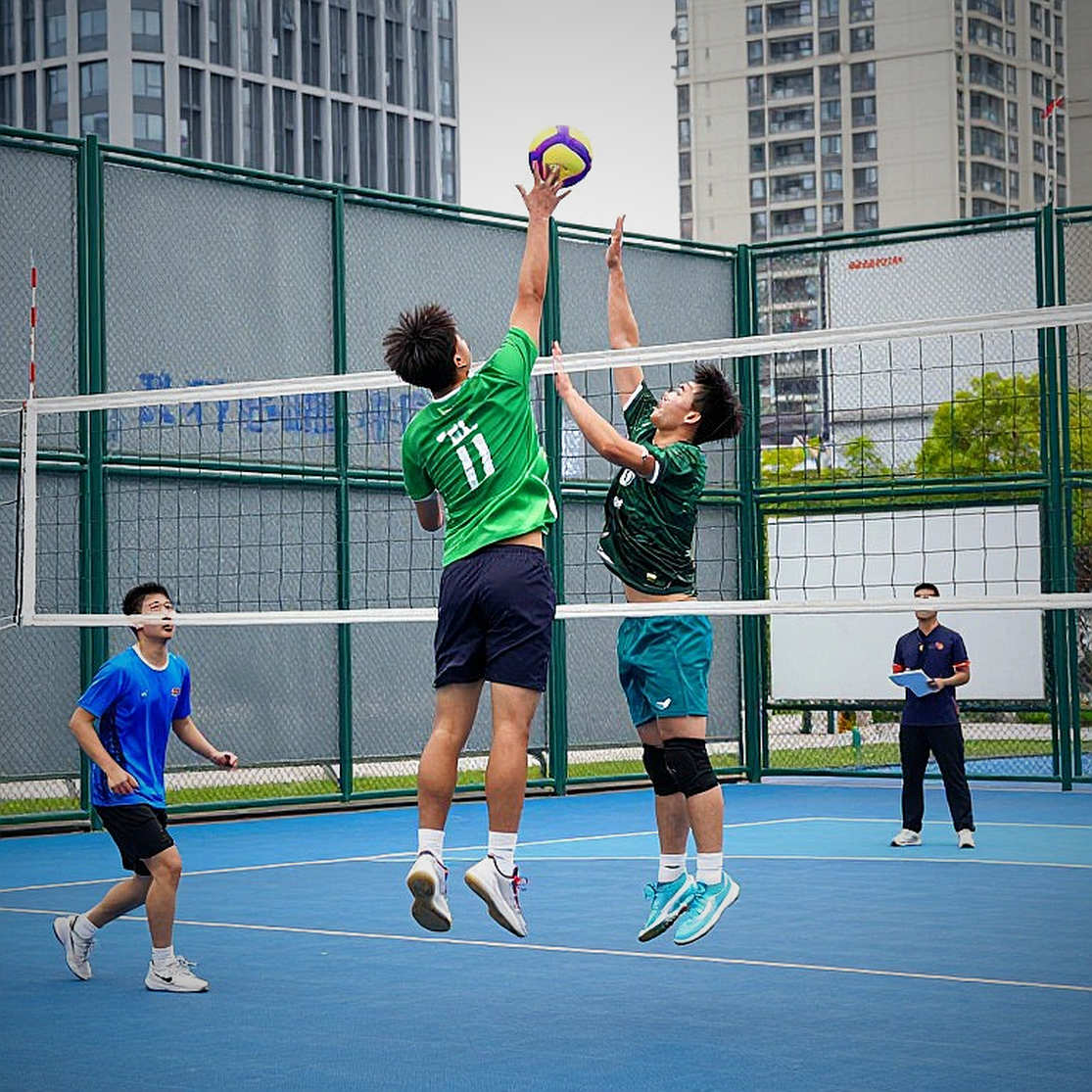
In format terms, that block was the end of Finland's hope for the group crown. When set three closed at 25-22, Finland stood at 1-2. First place required a 3-0 or 3-1 win, and that had become mathematically impossible. Finland could still win the match, but they could not win the group.
Tactics are not the blueprint drawn before the match; they are the correction made while the opponent is still smiling. Estonia made their correction in exactly the set they needed it.
Set four: Suihkonen enters and Finland take it 25-20
Finland did not fold. Head coach Olli Kunnari sent Niko Suihkonen on for Nooa Marttila, and the substitute scored seven points in set four. The hosts took the set 25-20 and forced a fifth.
This is the passage most match reports will frame around Finnish resilience. I do not take that route, not because the resilience was not real, but because it explains nothing. What matters in set four is a very concrete change: Suihkonen came on and immediately became the hosts' primary attacking outlet, which showed that the Estonian block had lost the ability to predict the direction of the ball.
Seven points from a mid-match substitute is a very high number. It tends to appear in two situations: the opponent holds no data on that player, or the opponent's middle block has run out of legs. For Estonia, both applied. They had just ground through two high-intensity sets, and Suihkonen was the least-prepared player in Finland's rotation.
One thing should be stated plainly: winning set four 25-20 did nothing for Finland in the standings. A 3-2 win yields two points, and Finland's ceiling at that stage was already 12. The hosts won a set to extend the match while their actual objective had been buried in set three.
That is the recurring paradox of tournaments that award points by set score. The team that plays better over the final two sets can be the team that lost everything two sets earlier.
Set five: 15-11 and an ending that saved nobody
The tie-break closed 15-11 for Estonia. The scoreline looks convincing, but rally by rally, Estonia controlled it from start to finish. They never trailed in the set.
This fits a pattern I have logged across several recent European Championships: at this level, the fifth set is usually decided by whichever side enters it carrying less pressure. Estonia entered knowing their job was done. Finland entered knowing the group crown was gone. The difference showed most clearly in the opening rallies, when Finland conceded three straight points.
Again, I will not turn this into a story about mentality. This is an operational issue. When a team knows its primary objective has become impossible, decision-making within each rally slows. The phenomenon is observable, and it has nothing to do with whether players want to win.
Finland still fought to the final point. Captain Antti Ronkainen said afterwards that Estonia played well, that they wanted the fifth set, that they fought hard to the end, and that Finland now turns its attention to the next opponent. That is the standard answer, and in this case the correct one.
For Estonia, Lohmus said the team badly wanted to win again in front of a crowd, that they gave everything they had, and that he was proud of his team. It was Estonia's second win of the tournament, after a 3-1 (27-25, 25-22, 18-25, 25-23) result over the Netherlands, in which two consecutive Lohmus aces at 22-22 in the fourth set proved decisive.
A team with two wins, one of them against the host nation, both turning on the same player in the same type of situation. That is data, not inspiration.
Two stat sheets, two top scorers: a verification problem
One detail in this match matters more than the scoreline, and it concerns how we read statistics. Volleytimes.com reported that Timo Andre Lohmus finished on 24 points and Teppan on 16. WorldofVolley credited Teppan with 24 and Lohmus with 16.
Two outlets covering the same match, on the same day, producing two different top scorers. This is not a trivial detail. It directly affects every analysis written afterwards, including any judgement of a player built on point totals.
I have encountered this many times in 38 years of watching the industry. The cause usually lies in counting rules: attack points, direct service points, block points and points from opponent errors are sometimes combined under different conventions. Some outlets fold blocks into a personal total; others separate them. Some credit the attacker when a ball touches the block and lands out; others do not.
So when revisiting this match, I chose not to lean on personal point totals for conclusions. I leaned on structure. And the structure gives a clear reading: Estonia won this match in the third set and in the fifth, through two different mechanisms. The third set was won by a read block. The fifth was won by controlling tempo from the first point.
One further note on the numbers: the final Pool C standings published by Volleytimes.com were Belgium 13, Finland 11, Serbia 7, Denmark 7, Estonia 5 and the Netherlands 2. Estonia's 5 points correspond to exactly two wins: 3-1 over the Netherlands (3 points) and 3-2 over Finland (2 points). That means all three of their defeats yielded zero points, so they lost 0-3 or 1-3. A team that drops three matches without taking a point still beat the host nation and the sixth-placed side. In men's volleyball, such teams are common and always hard to read.
Re-reading Pool C: Estonia go home with two wins
This is the part most reports skip, and the part most worth stating. Estonia are out. With 5 points and fifth place in a six-team pool, they were eliminated at the end of the group stage, along with the Netherlands. The four qualifying places from Pool C went to Belgium, Finland, Serbia and Denmark.
In other words, Estonia finished their tournament with their best win, against the host nation, in front of 9,813 people, in one of Europe's finest arenas. And that win carried them exactly nowhere.
This is the paradox short group stages generate. Estonia won two matches, one against the pool's second-placed team and one against its sixth-placed team. They lost three matches and took nothing from any of them. Five points, fifth place. Set-based points systems turn the gap between a narrow win and a narrow defeat into a chasm.
Had Estonia beaten Finland 3-0 or 3-1, they would have had 6 points and still finished below Denmark and Serbia on 7. Even in the best-case scenario, Estonia finish fifth. Which means the win in Tampere did not change their position at all. It changed Finland's.
For Finland, the consequence was losing the group crown and dropping to second. In theory, that could be good or bad depending on the bracket. From second, Finland face Greece. From first, Belgium face Czechia. There are tournaments where second place opens an easier path than first. There are tournaments where the opposite holds. With the round of 16 not yet played, any conclusion would be premature.
Round of 16: the bracket and what to watch
The round of 16 of the 24-team European Championship begins on Saturday, 19 September 2026, in Sofia and Turin.
In Sofia, Poland play Latvia and Germany face Bulgaria on 19 September. Still in Sofia, Ukraine meet Romania and France meet Portugal on 20 September.
In Turin, Finland face Greece and Belgium meet Czechia across 20 and 21 September. Slovenia play Serbia in Turin on 21 September. Italy face Denmark the same weekend. Semifinals and the medal matches will be held in Milan.
Of these, Finland versus Greece is the tie I will watch most closely, because it is the one directly shaped by the match in Tampere. Finland enter the knockout stage after a five-set defeat, at home, in a match where their objective died in the third set. The question is not whether they recover emotionally, but whether their block fixes the positional errors exposed in sets three and four.
More precisely: in set three, the Finnish block repeatedly let Lohmus escape through the middle of the net. In set four, the Estonian block let Suihkonen score seven points after entering mid-match, showing that the attacking pattern changed faster than their capacity to adapt. Greece, if they have studied the footage, will test exactly those two spots. That is Finland's real examination, not a test of mentality.
For Estonia, the tournament is over. Two wins, over the Netherlands and Finland, both carrying Timo Andre Lohmus' fingerprints in the closing stages. A team at this level with a player who can generate points in two different ways — direct service and block — is an awkward draw for anyone. Their problem at this tournament was not the ability to beat good teams. It was three defeats that yielded no points at all.
Takeaway: what to verify in the next round
Do not ask why Finland lost; ask who failed to hold the ball at the moment that demanded coldness. The answer sits in the third set, at 19-19, when Luka Marttila's three consecutive aces dragged the hosts back into the match, and in the rally immediately after, when Estonia answered with a block instead of a spike.
One detail from this match I will keep as a reference point for the next round: Olivia Kunnari, niece of Finland head coach Olli Kunnari, sang the national anthem before the match. Joonas Jokela made his 100th appearance for Finland. 9,813 people filled Nokia Arena. A visiting team already eliminated beat the hosts' house in five sets.
Once the ceremony is over, what remains is the half-beat of foot placement before the ball leaves the hand. I will verify that in Turin on 20 and 21 September: whether Finland's block drops into the right place, or keeps dropping into the wrong one as it did in the third set.