
Para Table Tennis at Asian Para Games 2026: Bhavina Patel and Subham Wadhwa Take XD7 Bronze as Chougule and Savita Squander a 2-0 Lead in XD17
**Câu trả lời cốt lõi**: Tại Asian Para Games 2026, Bhavina Patel và Subham Wadhwa giành huy chương đồng đôi nam nữ XD7 (bóng bàn xe lăn) sau khi thua Hàn Quốc 1-3 ở bán kết, trong khi Dattaprasad Chougule và Savita bị loại ở tứ kết XD17 khi để tuột lợi thế dẫn 2-0 trước Philippines. **Dữ kiện chính**: - Tứ kết XD7: Patel/Wadhwa thắng Bessho/Uno (Nhật Bản) 3-0, các ván 11-9, 11-3, 11-6. - Bán kết XD7: Patel/Wadhwa thua Jang Yeongjin/Lee Migyu (Hàn Quốc) 1-3, các ván 6-11, 11-8, 5-11, 8-11. - Tứ kết XD17: Chougule/Savita thua Redulla/Manginsay (Philippines) 2-3, các ván 11-9, 11-9, 2-11, 6-11, 5-11. - XD7 là nhóm xe lăn có tổng hạng hai vận động viên bằng 7; XD17 gộp các vận động viên thi đấu đứng hạng 6 đến 10. - Asian Para Games 2026 nằm trong chu kỳ vòng loại Paralympic Los Angeles 2028. **Nguồn**: Bản tin kết quả bóng bàn Asian Para Games 2026, nguồn chưa định danh; ngày công bố chưa được xác định; dữ liệu chờ xác minh với ITTF Para Table Tennis. **Hỏi đáp liên quan**: Q: Bhavina Patel và Subham Wadhwa giành huy chương gì? A: Họ giành huy chương đồng nội dung đôi nam nữ XD7 sau thất bại 1-3 trước Hàn Quốc ở bán kết. Q: Vì sao Chougule và Savita bị loại ở XD17? A: Họ dẫn 2-0 rồi thua ba ván liên tiếp trước Philippines, trong đó ván thứ ba chỉ ghi được 2 điểm. Q: Nội dung XD7 và XD17 khác nhau thế nào? A: XD7 là nhóm xe lăn có tổng hạng hai vận động viên bằng 7, còn XD17 gộp các vận động viên thi đấu đứng ở hạng 6 đến 10.
The third game of the XD17 mixed doubles quarterfinal at the Asian Para Games 2026 ended 2-11. Dattaprasad Chougule and Savita walked into that game leading 2-0 after two 11-9 games against Wilfred Redulla and Manginsay Lhey of the Philippines. Across the next three games they scored 13 points in total: 2-11, 6-11, 5-11. The Indian pair left the table with a 2-3 defeat.
On the same day, in the XD7 event, Bhavina Patel and Subham Wadhwa moved in the opposite direction. They beat Kimie Bessho and Masanori Uno of Japan 3-0 in the quarterfinal with games of 11-9, 11-3, 11-6; they lost 1-3 to Jang Yeongjin and Lee Migyu of Korea in the semifinal with games of 6-11, 11-8, 5-11, 8-11; and they took the bronze medal.
Two pairs, two scripts, one federation. The narrower and harder question: was the difference between them technical, mental, or a matter of reading the match again during the seven-minute break between games?
The Asian Para Games 2026 is a continental event inside the ITTF Para Table Tennis system, run under the Asian Paralympic Committee. The mixed doubles events here combine classes by rule. XD7 is the wheelchair group, where the two players' classes add up to 7. XD17 is the standing group, combining classes 6 to 10. The numbering is produced by regulation, and it shapes tactics directly: the wheelchair group revolves around chair positioning, serve-and-receive geometry and the ability to create angles; the standing group revolves around reach, footwork and travelling distance.
India brought two mixed doubles pairs to the event, one in each class group. That is a multi-class medal strategy from a country investing with focus in para table tennis. Asia is the deepest region in the sport: China at the top tier, Korea and Japan close behind, India rising in selected women's classes, the Philippines competitive in specific standing classes. A continental bronze here carries real weight.
The event also sits inside the Los Angeles 2028 Paralympic qualification cycle, a phase in which continental results carry a double value: a selection signal and a funding signal. One point must be stated plainly: the results brief this article relies on has no identifiable source, so the scores above should be checked against the official publication of the organising committee and ITTF Para Table Tennis before being treated as a final record.
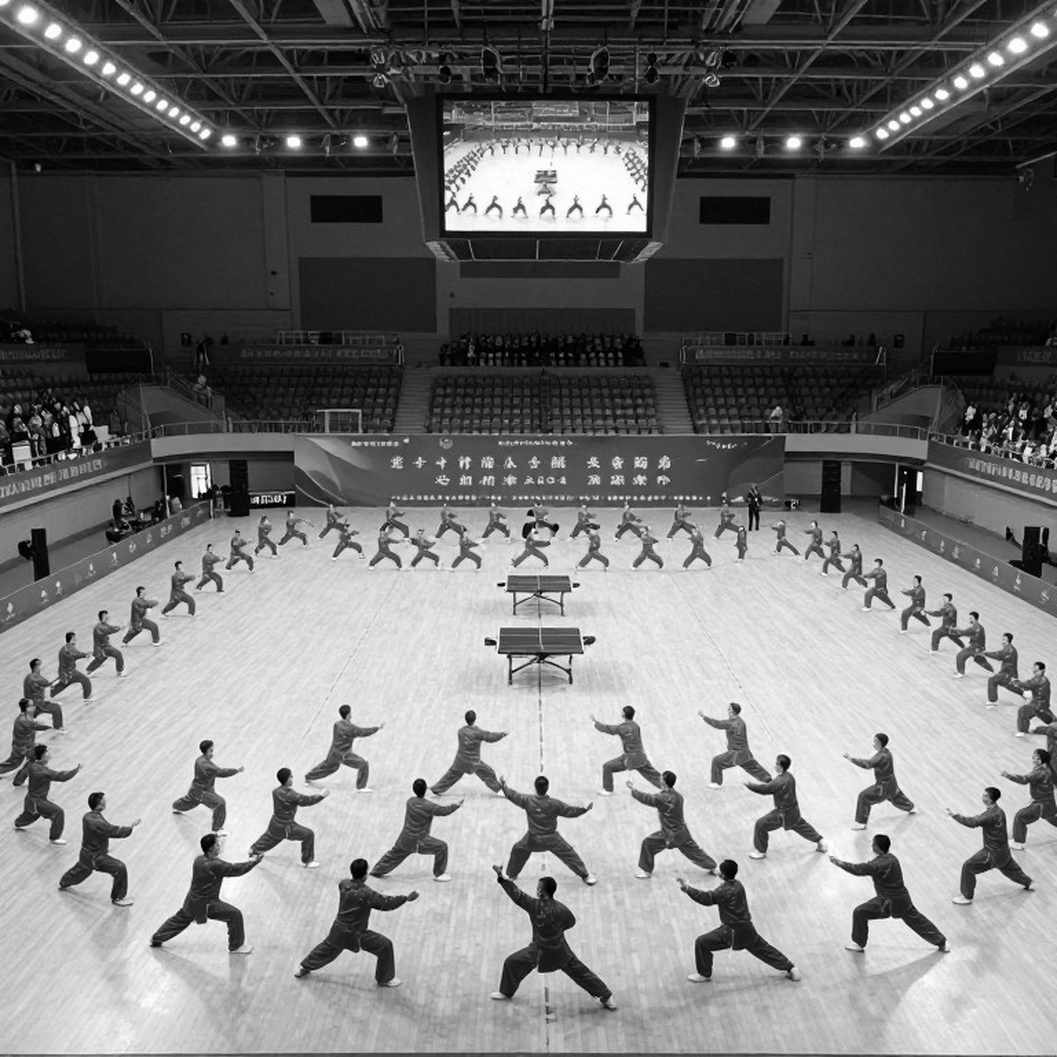
Based on my experience following matches across several Para Games and ITTF Para ranking events, I have a habit of reading the third game before reading the last one. The third game is where a pair reveals whether it has a Plan B. India's three matches at this event produced exactly three different patterns.
Pattern one, the XD7 quarterfinal against Japan: 11-9, 11-3, 11-6. A close opener, then two wide games. This is the tighten-then-break-away shape: after one game in which the opponent stayed within reach until the final point, Bhavina Patel and Subham Wadhwa solved the receive problem and blocked the open angles of Bessho and Uno. In wheelchair table tennis, an 11-3 margin rarely comes from power hitting; it comes from one side controlling chair position and forcing the other to reach for the ball.
Pattern two, the XD7 semifinal against Korea: 6-11, 11-8, 5-11, 8-11. The Indian pair recovered the second game, then lost the third by a wide margin. They stayed close to 8-11 in the fourth, enough to show the level was not far off, but not enough to turn it. Jang Yeongjin and Lee Migyu won with structure: they took control of the first three shots and kept India in a fixed defensive position. That is the kind of defeat a coach can explain with video.
Pattern three, the XD17 quarterfinal against the Philippines: 11-9, 11-9, 2-11, 6-11, 5-11. This is the most painful shape in table tennis: two tight games won, then a collapse in the third with only 2 points. Redulla and Manginsay changed their approach after two games; Chougule and Savita had no counter-adjustment. From 2-11 onward the match stopped being a technical contest and became a psychological one, and the Indian pair lost both.

The difference between the two Indian pairs was not their baseline level but their in-match adaptability: one adjusted upward after a slow start, the other failed to adjust after a fast one. Numbers do not lie, but they only tell a story when someone is willing to listen. The sequence 11-9, 11-9, 2-11 tells a very specific story about the break between the second and third games.
There is a lazy way to tell this: India is rising in para table tennis. The XD7 bronze is real, and it matters because Asia is the deepest region in the sport. But stopping there means skipping two less comfortable facts: the XD7 pair lost a semifinal while still holding the shape of the match to 8-11, and the XD17 pair let a 2-0 lead slip against an opponent outside the leading group.
I place those two facts in two different risk categories. For Bhavina Patel and Subham Wadhwa, the issue is the ceiling: they are at the level of competing with Korea but do not yet have a way to break their opponent's structure. For Chougule and Savita, the issue is decision-point management, which is coachable through scenario drills and a review of timeout usage. One pair needs another weapon; the other needs another procedure.
The press room that day had no seat for me, but I brought my own chair. For years I have sat in press rooms of a sport where nobody sets out a seat, and what I have learned is that bronze medals are usually the most mis-told of all, because they are the easiest to turn into a complete success story.

Amid the cheering, I learned to listen to the silence of the arena. The silence of Indian table tennis at the Asian Para Games 2026 is one 2-11 game and one 8-11 game: two scores from the same event, the same federation, both pointing at one thing to fix before Los Angeles 2028. Gold cups fade, but the story behind the metal stays. This story belongs to a table tennis nation learning how to win the games it is already leading.